
Collaboration With Community Partners
In addition to our own programs, the WWN supports the work of several other partner organizations in the community that benefit our watershed, raise environmental awareness and/or educate our community. At this time we have 2 active programs that we’re working on with our partners.
WWN Supports Regional Trout in the Classroom Program

Winnisquam Watershed Network’s initial participation in the Trout Unlimited and NH Fish & Game’s Trout in the Classroom (TIC) Program was during the 2024-2025 academic school year when we partnered with the Sanbornton Conservation Commission (SCC) to support the Sanbornton Central School (SCS) 4th grade program. It was a very exciting experience for the students who looked in on the fish and talked about trout development at the beginning of every class.
A bright and sunny April 24th saw the successful culmination of the school’s Trout in the Classroom program with the release of Eastern Brook Trout fingerlings into Salmon Brook. Forty SCS fourth graders sent off the young

Kayla Marshwood, NH Fish & Game, speaks to TIC students
trout they had raised since November from eggs to fingerlings into Salmon Brook on the property of the McFadden and Carpenter families. Each student was handed a small cup with four or five young trout fingerlings that they released into the brook. The students were joined by the schools’s Trout in the Classroom lead teacher Andrew Veilleux, additional SCS staff, members of SCC and WNN along with Kayla Marshwood, NH Fish & Game’s Watershed Education Coordinator who spoke to the students prior to the release.

4th graders release trout into Salmon Brook
For the 2025-2026 academic year WWN continues its partnership with the Sanbornton Conservation Commission (SCC) and now with the Northfield Conservation Commission (NCC) in sponsoring the Trout in the Classroom Program. The three organizations are proud to announce we have expanded support of this interactive and immersive environmental education program to a total of three schools, including Sanbornton Central School and Sant Bani School in Sanbornton, along with Southwick Elementary School in Northfield.
Members of the sponsoring organizations assisted with tank equipment acquisition and set-up, provided fieldwork in identifying ideal spring trout release points for each school, and provided support in obtaining the trout eggs from NHF&G’s New Hampton Fishery.
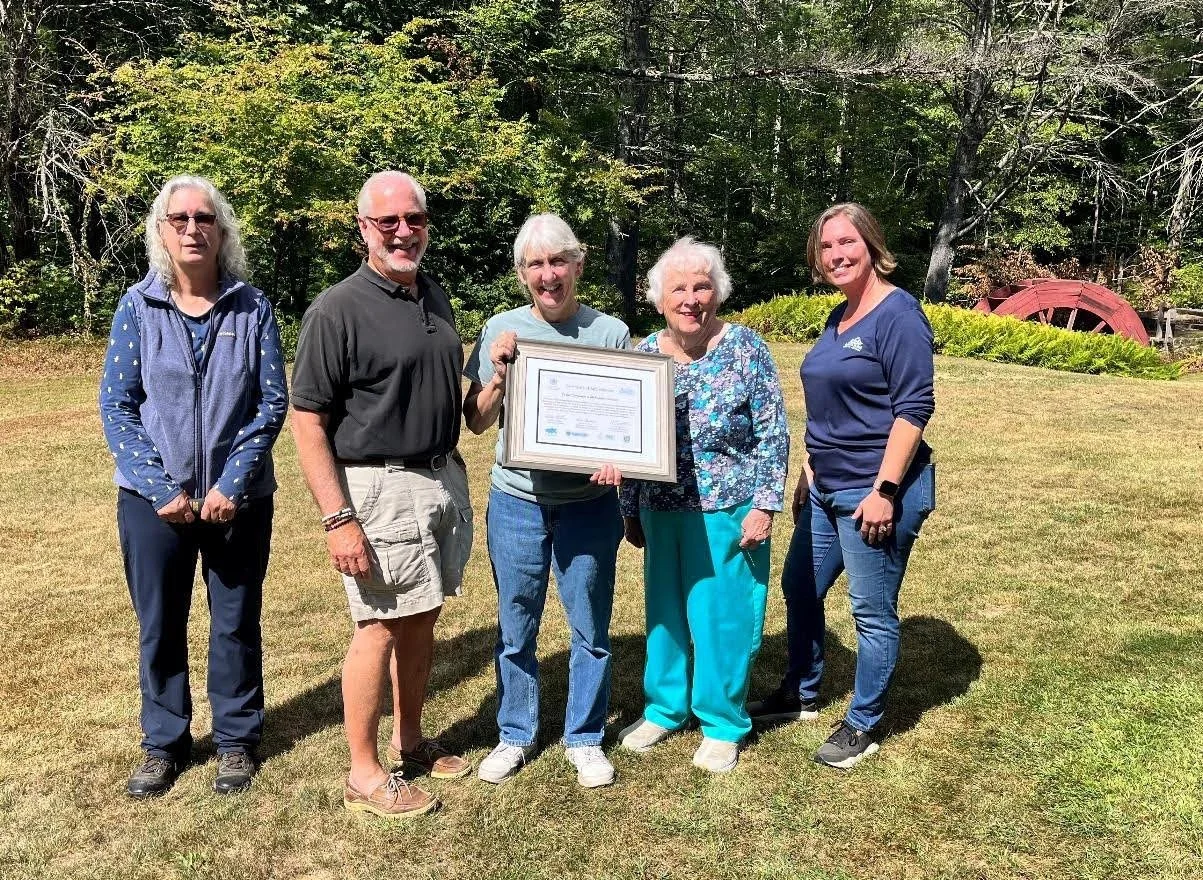
Pictured left to right is Karen Bourdeau, Chairperson of SCC, Brian LaRoche TIC Coordinator for SCC and WWN, Dr. Catherine S. McFadden, Cindy McFadden, and Sara Steiner WWN Executive Director.
Each of the three schools’ STEAM Teachers along with SCC and WWN volunteers have received formal TIC training. As of December 8th all three schools have received their 200 “eyed” trout eggs which were placed in their respective climate-controlled aquariums. TIC’s curriculum gives students the opportunity to learn the importance of a healthy ecosystem in the watershed while observing over the next several months the amazing transformation from trout eggs into the alevin and fingerling stages of development.
Recognizing Support and Expansion of the Trout in the Classroom Program
On August 28th, representatives from WWN and SCC presented a Certificate of Appreciation to the Carpenter and McFadden Families for their support as the release site for the fingerling trout from Sanbornton Central Schools’ 2024-2025 Trout in the Classroom Program.
If you are interested in having WWN provide your organization with any type of aquatic or watershed education, please contact us at eci@winnisquamwatershed.org to discuss your particular lake or aquatic ecology learning objectives.

Brook Trout
WWN Supports Upcoming Chapman Brook and Stoney Brook Stream Restoration Projects
The Winnisquam Watershed Network along with its conservation partners the Sanbornton and Meredith Conservation Commissions are supporting the Belknap County Conservation District’s (BCCD) Winnisquam Watershed Stream Restoration initiatives. Similar in nature to the Black Brook Habitat Restoration Project completed in 2022, these two new undertakings are designed to improve aquatic habitat which benefits stream dwelling species like the native Eastern brook trout populations. The planned stream restorations will consist of adding instream large wood to Chapman Brook in Sanbornton and Stoney Brook in Meredith, helping to mimic natural processes.
Why add wood to streams?
According to project co-sponsors BCCD, NHF&G and NH Trout Unlimited, large wood in streams is an important component of the forest ecosystem and serves a critical role in aquatic habitat. Placement of instream large wood changes water velocity to trap sediment, and creates cascades and riffles, which increases oxygen in the water. The alteration of flow and velocity aids in forming deeper pools where fish can survive the warmer summer water temperatures and recharges ground water. By collecting leaves and twigs, wood structures can also provide cover and refuge. Leaves and twigs, both organic matter, feed insects and invertebrates, which are the main food source for Eastern brook trout. Large wood additions to streams truly benefit the overall aquatic ecosystem and conserve habitat and water quality.
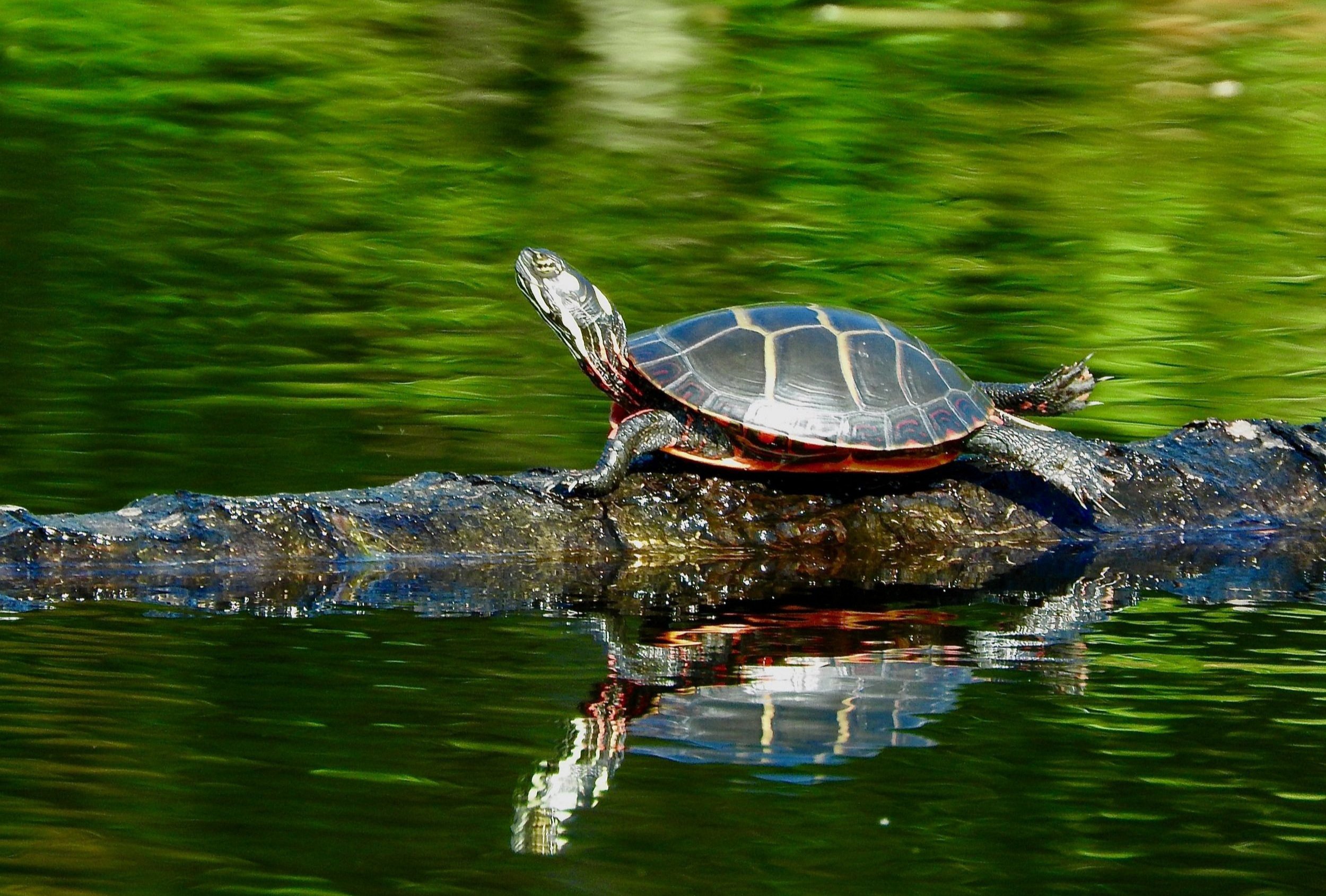
Both minimally invasive projects are only made possible through the spirited cooperation of the local landowners who provide permission for the work to be done on the waterways that pass through their properties. The initial stream assessment reports have been completed by Forrester Ryan Harvey, and the landowner authorizations collected by the sponsoring organizations.
In Sanbornton, there are 13 parcels (10 landowners) authorizing implementation on Chapman Brook tributaries. Funding for this project has been secured through a National Fish and Wildlife Foundation Grant. In Meredith, focus is on the West Fork of Stoney Brook as the best potential habitat. There are 9 parcels (5 landowners) authorizing implementation. Funding for this project has been secured through the NH Moose Plate Project with a small match from a NFWF Grant. NH DES permit application for both projects are in progress and plans are to complete the wood additions in September 2025.
Check out this video from NH Fish & Game on the importance of wood in streams and how this collaborative effort of local conservation organizations is helping to restore this fundamental part of a healthy watershed system.