Collaborating to Care for Lake Winnisquam
THE LAKES
The Lake Winnisquam watershed includes Lakes Winnisquam, Wicwas and Opechee. The watershed is located in the communities of Meredith, Laconia, Sanbornton, Belmont, Tilton, Gilford and New Hampton.
OUR MISSION
The Winnisquam Watershed Network (WWN) is a collaborative effort of individuals and organizations acting to preserve and protect Lake Winnisquam and its watershed now and for future generations.
Our Instagram Feed
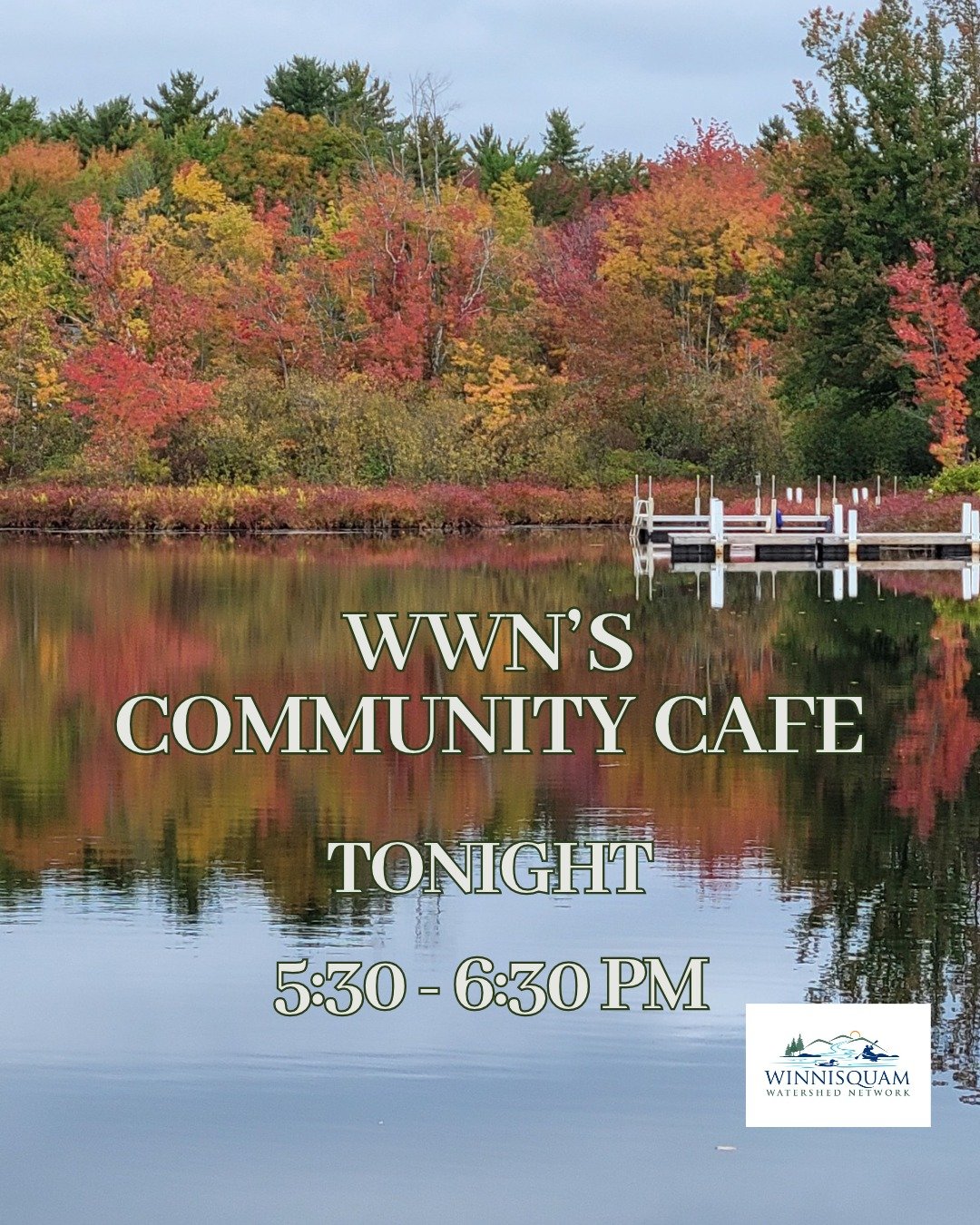
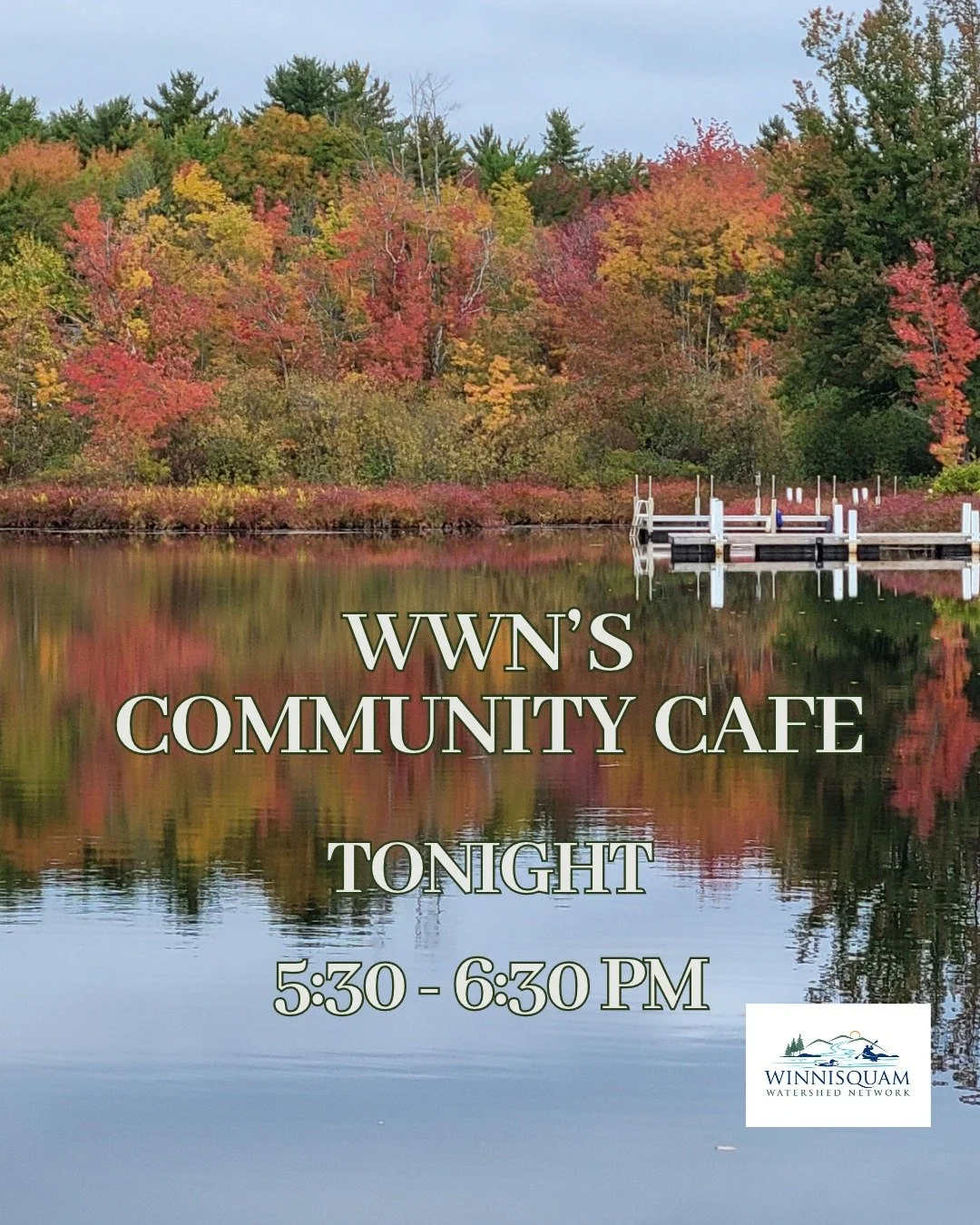
☕ TONIGHT'S THE NIGHT! Join us for the November Community Café!
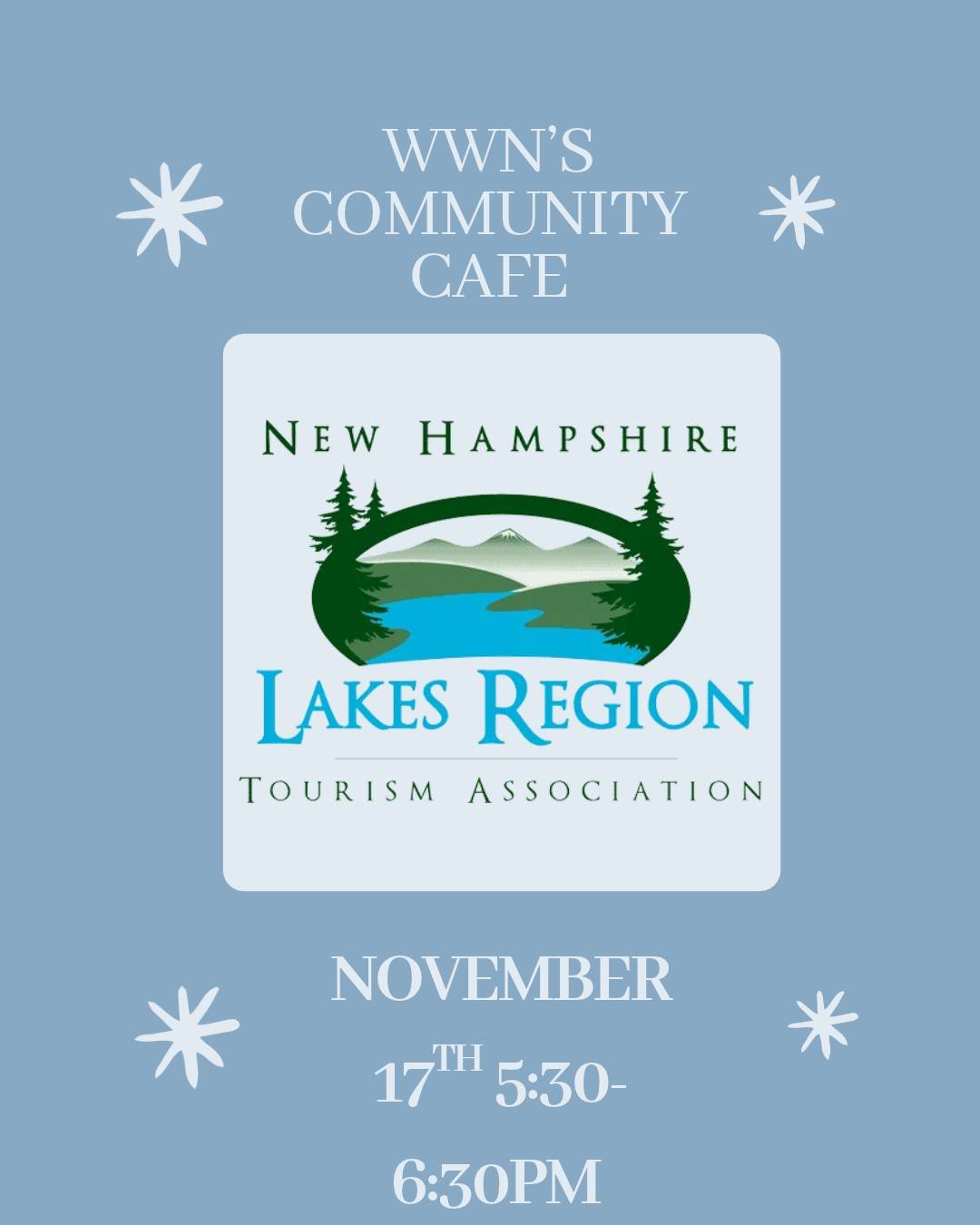
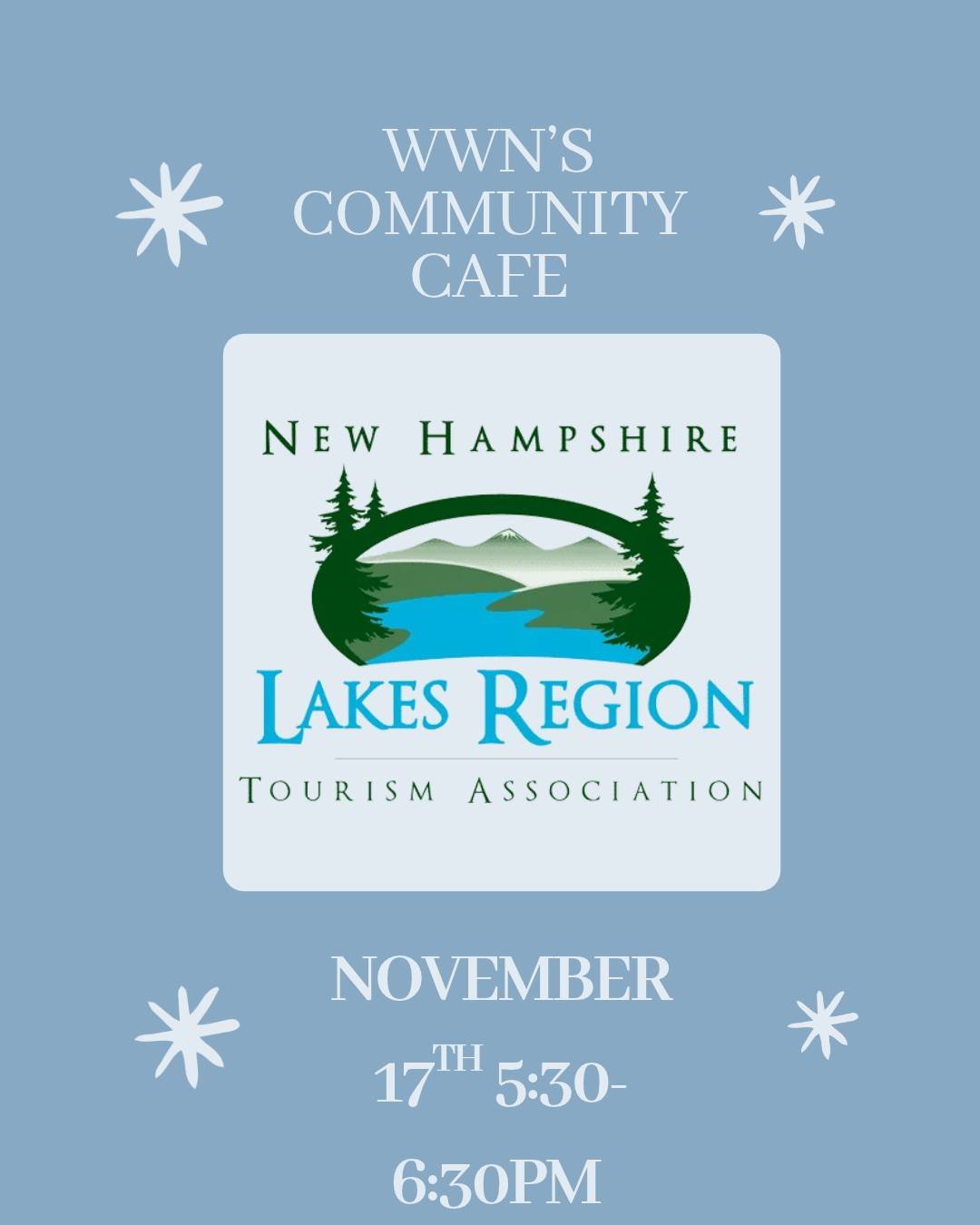
Looking for a great way to connect with your community and learn something new? Join Winnisquam Watershed Network TONIGHT, Tuesday, November 17th, from 5:30–6:30 PM!
This month, we're welcoming Amy Landers from the Lakes Region Tourism Association for an engaging conversation about tourism in our region!
💙 New to WWN? Come learn about who we are, what we do, and how we're working to protect and preserve Lake Winnisquam and its watershed. It's also a great opportunity to connect with our team, meet others in the community, ask questions, and get involved!
📅 Tuesday, November 17
⏰ 5:30–6:30 PM
💙RSVP link in bio
Good conversation, great community, and a chance to learn something new! We hope to see you there!
#WinnisquamWatershedNetwork #CommunityCafe #LakesRegionNH #LakeWinnisquam #CommunityConnections
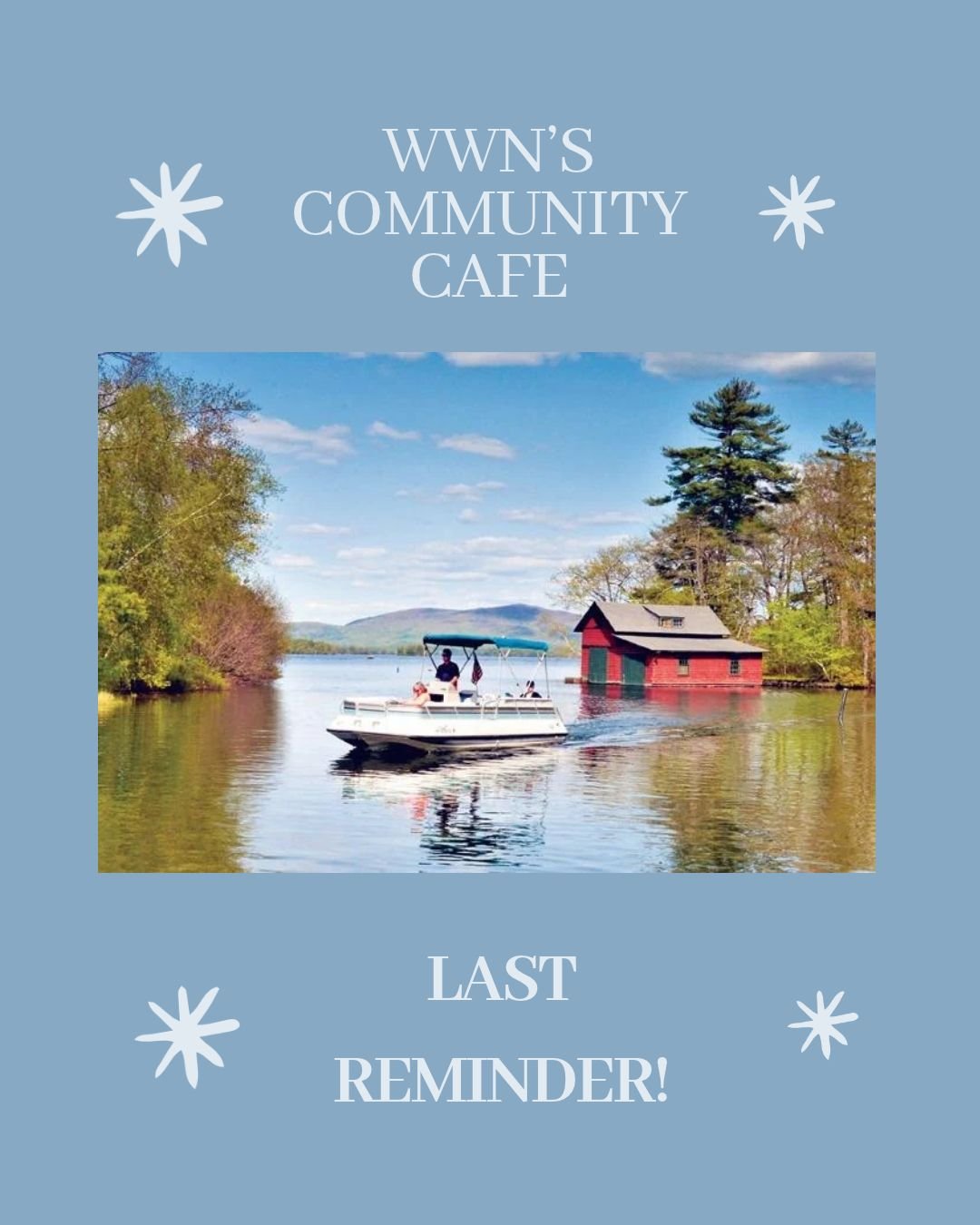
📣 LAST REMINDER: November Community Café! 💙
Our November Community Café is tomorrow night, and this is your last reminder to RSVP! 🎉 We’re looking forward to bringing our community together for an evening of conversation, connection, and sharing ideas.
Whether you’ve joined us before or are thinking about attending for the first time, we’d love to see you there!
📝 Planning to join us? Please fill out our RSVP form ASAP!
👉 RSVP HERE: https://docs.google.com/forms/d/e/1FAIpQLSewtFufcQ1TLCHoIhI4IvZ_AkOcCzuzaT5cpQAetcgFegpBcw/viewform?usp=sharing&ouid=106847491952927108953
Help us spread the word by sharing this event with friends, neighbors, and anyone who might enjoy connecting with our community. 🤝
We can’t wait to see you! 💙
#CommunityCafe #WinnisquamWatershedNetwork #CommunityConnections #SeeYouThere
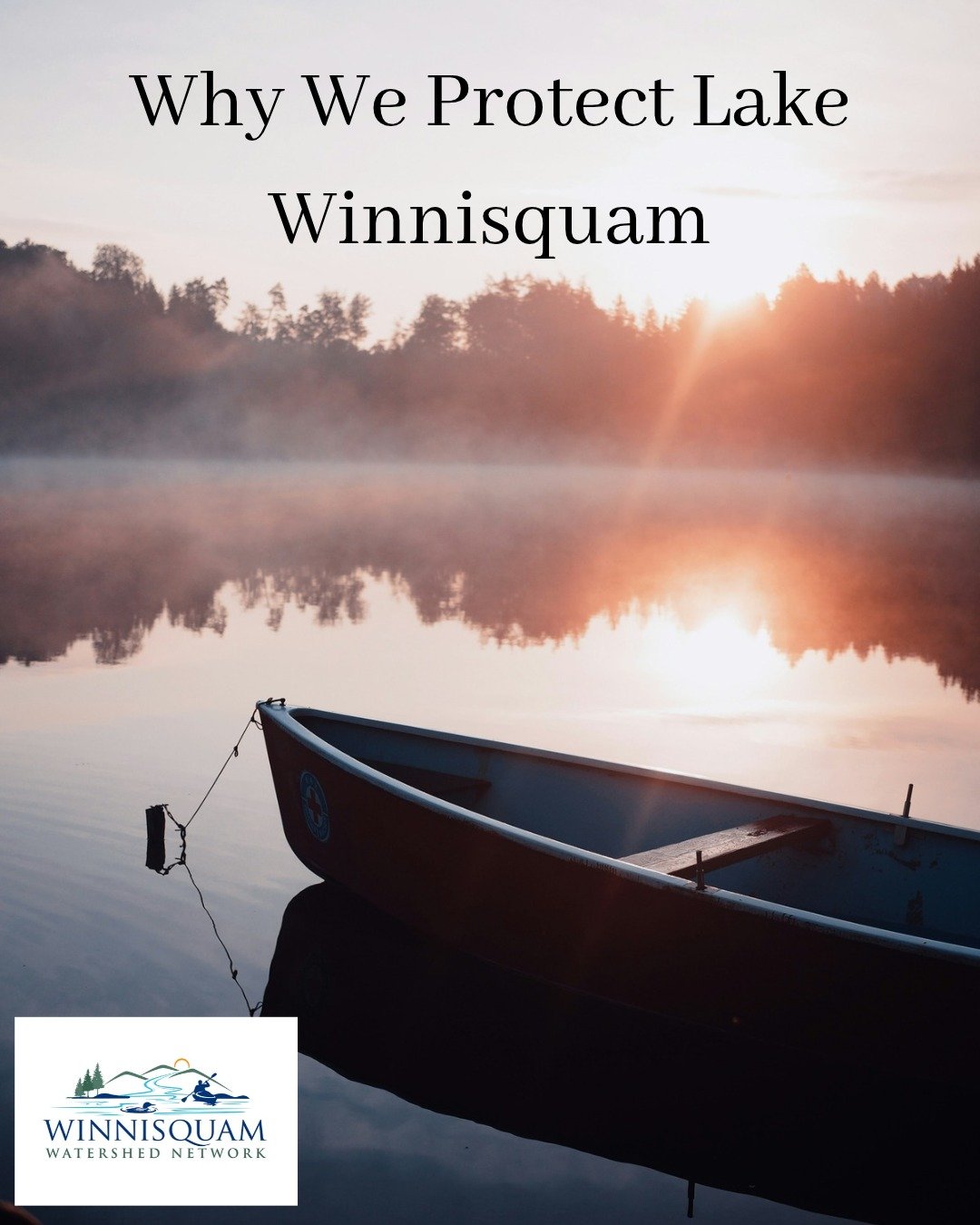
💙 WHY WE PROTECT LAKE WINNISQUAM 💙
For some, it's early morning paddles across calm water.
For others, it's fishing with family, watching loons from the shoreline, swimming on a summer afternoon, or simply enjoying a beautiful sunset.
Lake Winnisquam means something different to everyone, but we all share a responsibility to protect it.
At the Winnisquam Watershed Network, our work is focused on preserving the lake and its watershed through science, education, restoration, and community action.
Because protecting our lake isn't just about today. It's about ensuring future generations can experience everything that makes Winnisquam special.
🌊 Tell us in the comments: What's your favorite thing about Lake Winnisquam?
Let's celebrate the lake that brings our community together!
#LakeWinnisquam #WhyWeProtect #WinnisquamWatershedNetwork #OurLakeOurResponsibility
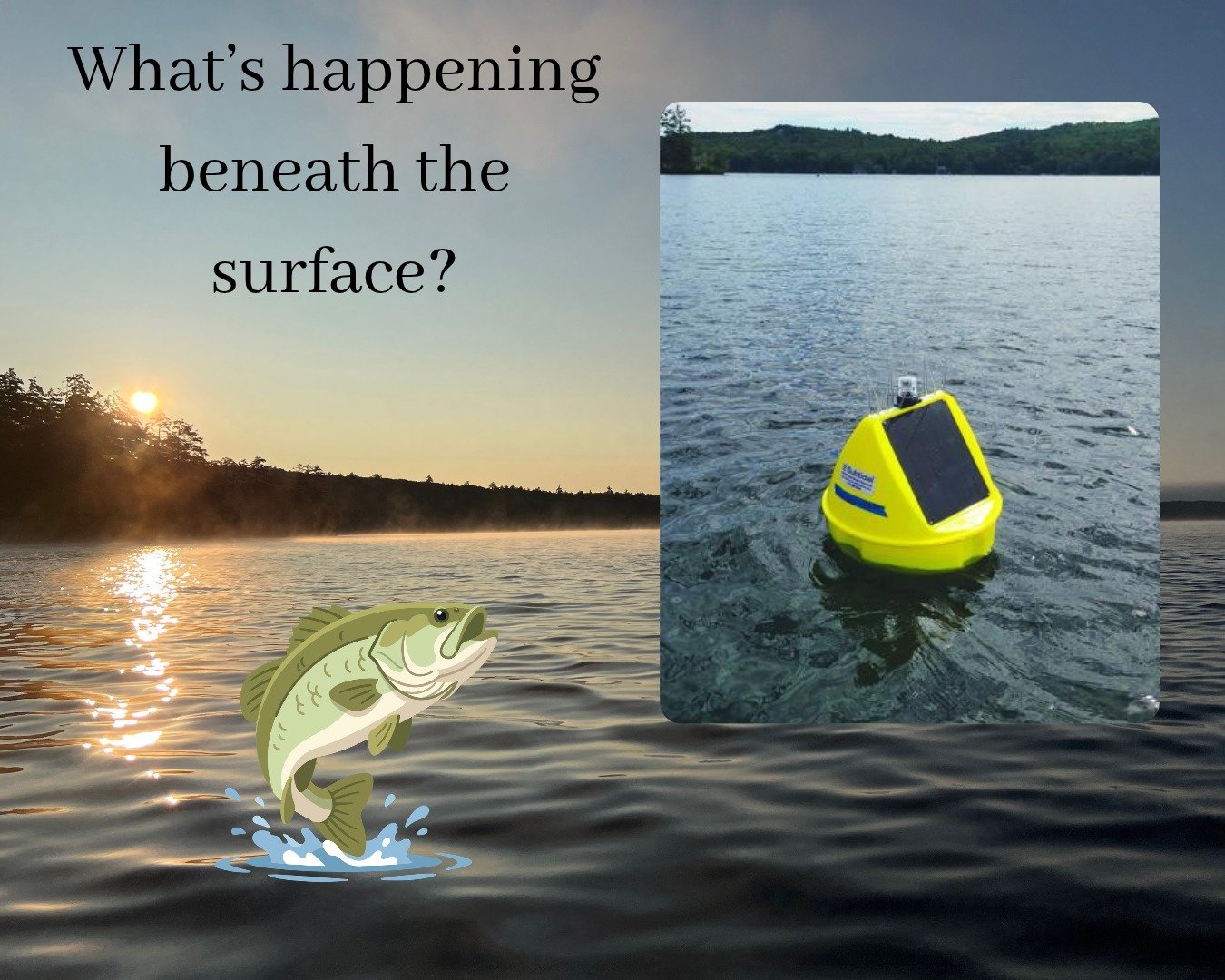
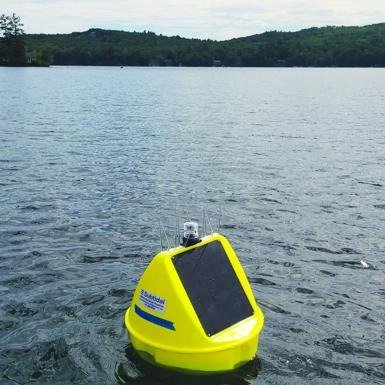
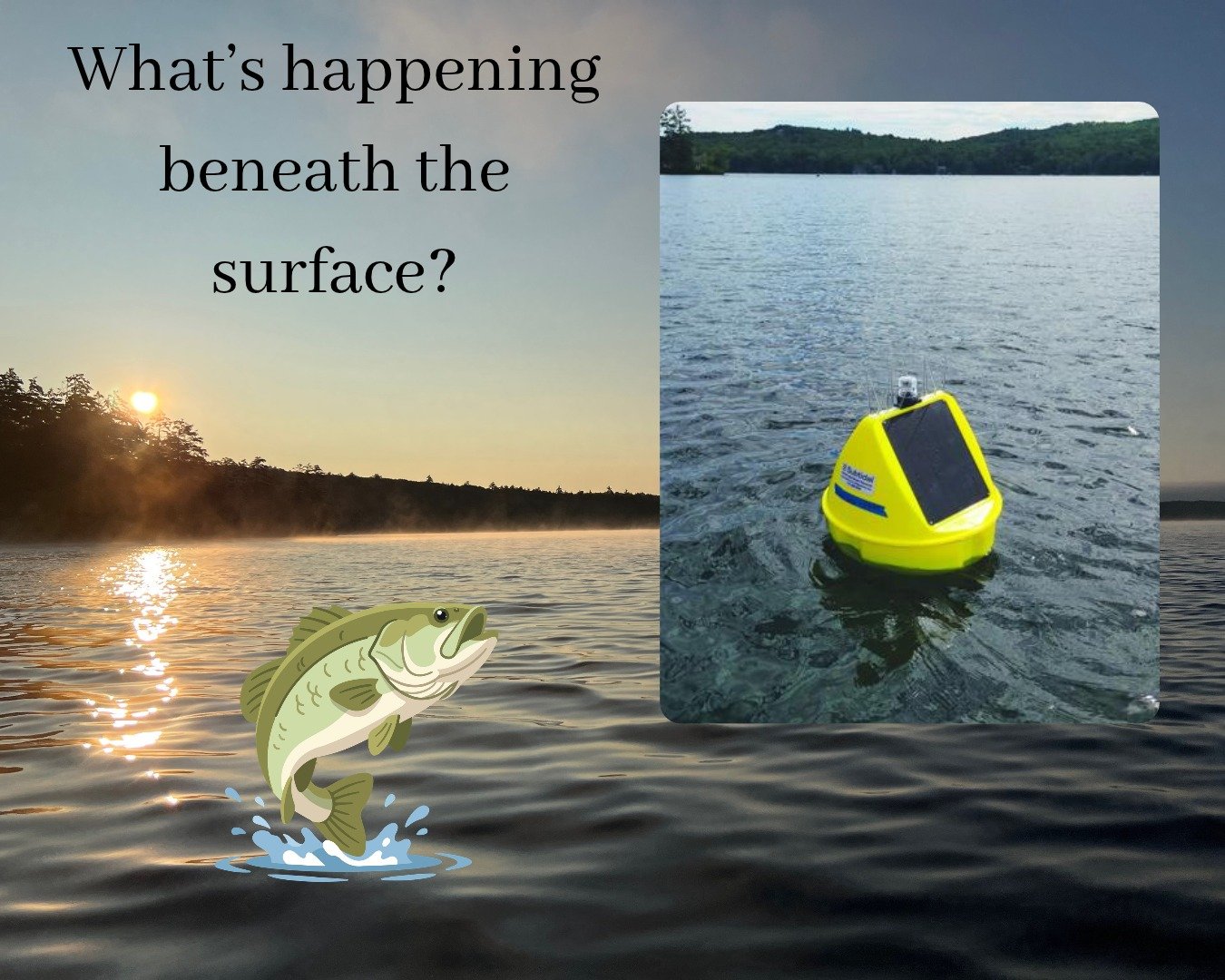
🌊 Meet Our Eyes Beneath the Surface! 🛟
Ever wonder how we track changing water conditions in Lake Winnisquam between monitoring visits?
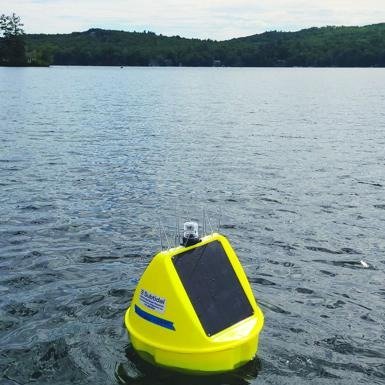
WWN partnered with Subtidal to deploy continuous water quality monitoring buoys near Three Islands and Mohawk Island.
These buoys collect valuable information about:
🌡️ Water temperature.
💧 Dissolved oxygen.
🦠 Phycocyanin, a pigment used to help monitor cyanobacteria.
🌿 Chlorophyll-a, an indicator associated with algae and phytoplankton.
Unlike a single water sample, continuous monitoring helps us observe how conditions change throughout the day and over time.
This information supports our understanding of lake health and helps us identify changes that may warrant further investigation.
The buoys are one part of a much larger monitoring effort that includes field observations, water sampling, and volunteer science.
💙 Investing in monitoring means investing in our ability to protect Lake Winnisquam.
#WaterQualityWednesday #LakeMonitoring #LakeWinnisquam #WinnisquamWatershedNetwork
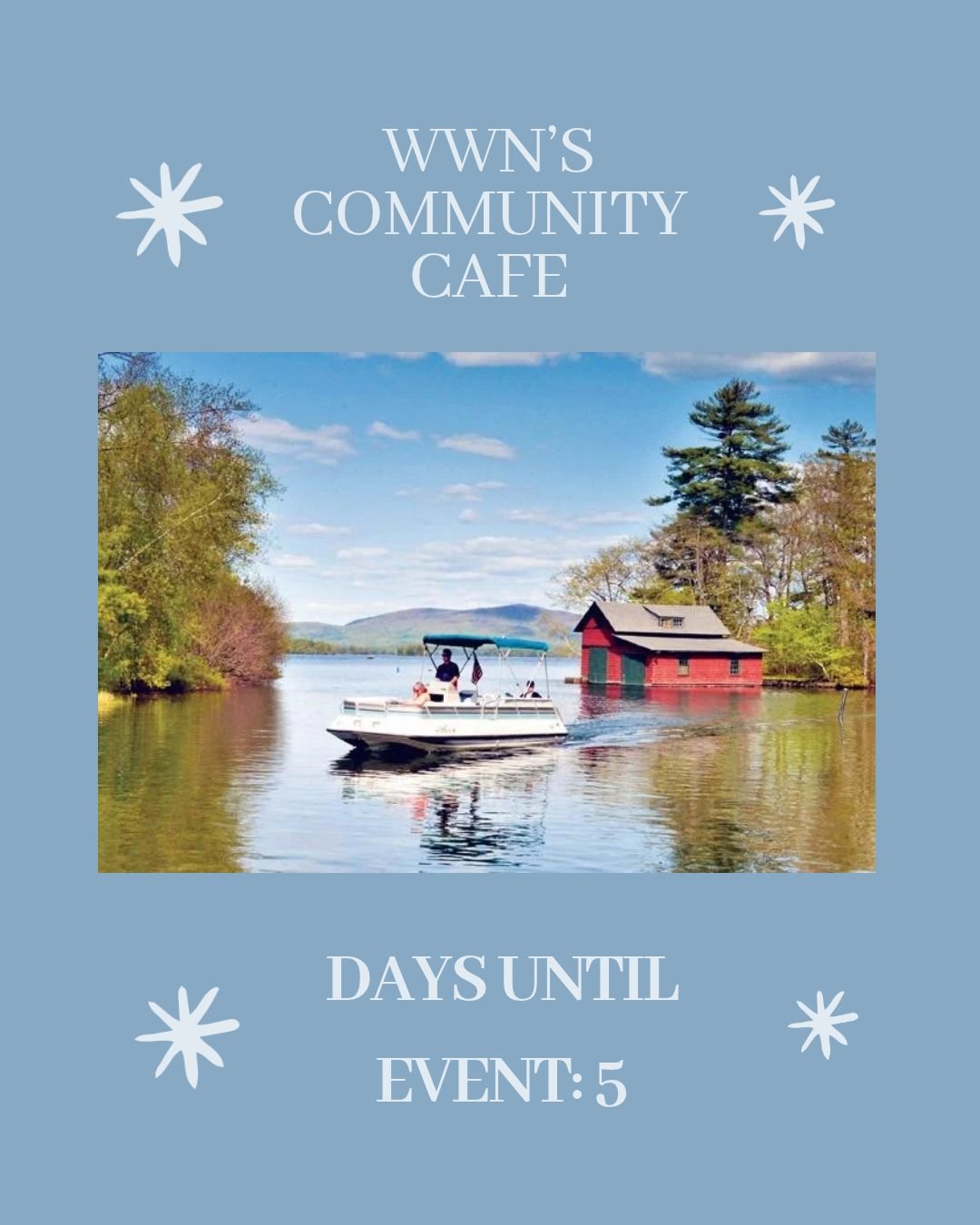
🎉 ONLY 5 DAYS UNTIL OUR NOVEMBER COMMUNITY CAFÉ!🎉
The countdown is ON! ⏰ We’re just 5 days away from our November Community Café, and we can’t wait to bring everyone together for another opportunity to connect, share ideas, and build community! 💙
📣 Planning to attend? Don’t forget to RSVP! If you’re hoping to join us, please fill out our RSVP form as soon as possible so we can plan accordingly. We want to make sure we’re ready to welcome everyone!
📝 RSVP HERE:
https://docs.google.com/forms/d/e/1FAIpQLSewtFufcQ1TLCHoIhI4IvZ_AkOcCzuzaT5cpQAetcgFegpBcw/viewform?usp=sharing&ouid=106847491952927108953
We’re looking forward to seeing familiar faces and meeting new ones! Spread the word, invite a friend, and join us for a great evening of community connection. 🤝
Location📍: Laconia Public Library(Laconia Rotary Hall Auditorium), 695 N Main Street Laconia, NH 03246
#CommunityCafe #CommunityConnections #WinnisquamWatershedNetwork #CommunityBuilding #CountdownIsOn
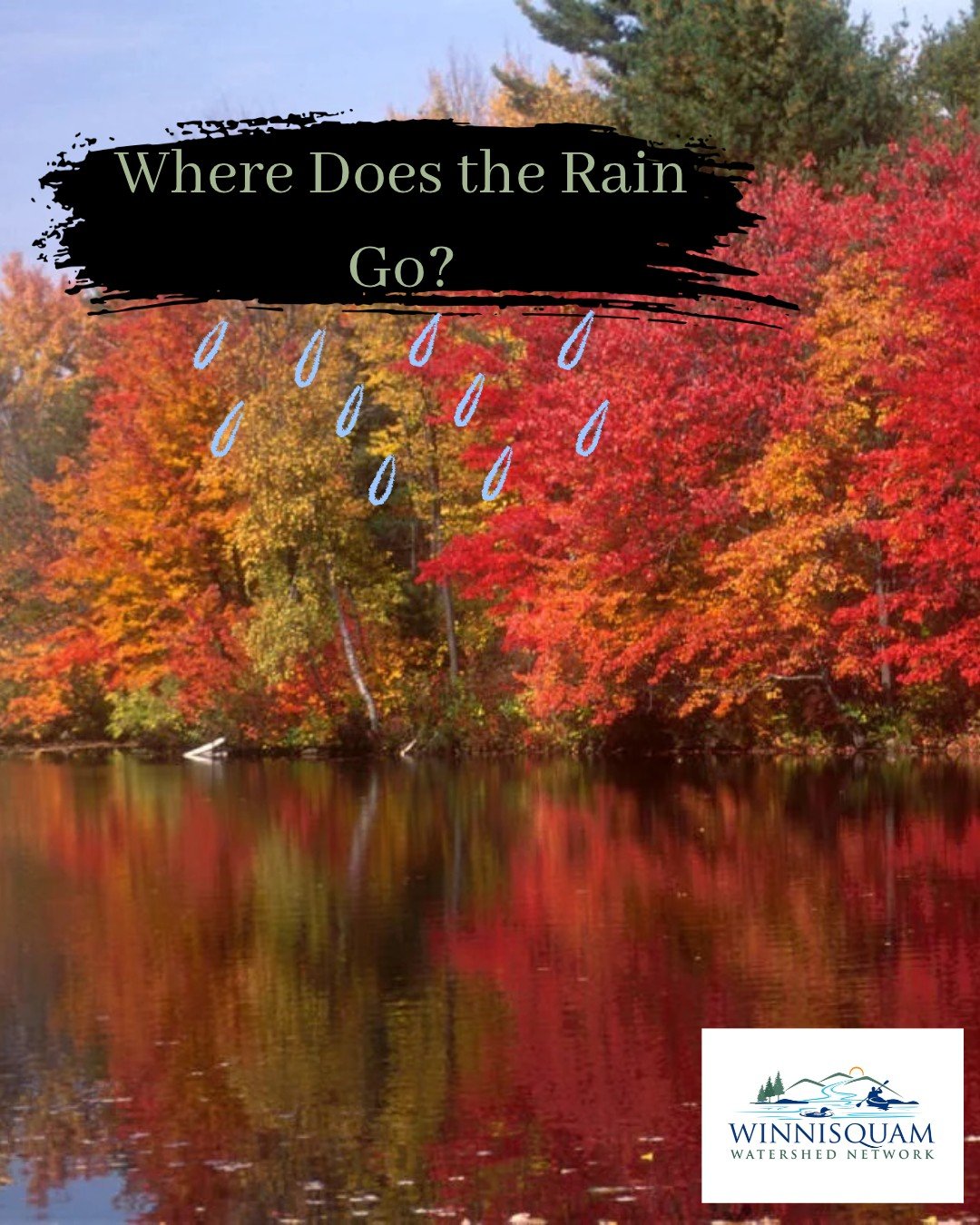
🌧️ Watershed Wednesday: Stormwater in November? 🍂💧
November in New Hampshire can bring plenty of rain, and with leaves falling and plants going dormant, it's an important time to think about stormwater runoff!
When rain falls on roofs, driveways, roads, and bare soil, it can pick up sediment, fertilizers, and other pollutants as it flows toward storm drains, streams, and eventually Lake Winnisquam. Without vegetation to slow it down and help filter it, runoff can contribute excess nutrients and sediment to our waterways, affecting water quality and lake health.
💚 What can you do to help?
🍁 Keep leaves and debris out of storm drains.
🌿 Maintain native vegetation and ground cover wherever possible.
💧 Direct downspouts onto grassy or planted areas where water can soak into the ground.
🪨 Stabilize bare soil to help prevent erosion.
Even as the growing season comes to an end, protecting our watershed is a year-round effort! Small steps around your property can help keep Lake Winnisquam clean and healthy through every season.
#WatershedWednesday #WinnisquamWatershedNetwork #LakeWinnisquam #StormwaterRunoff #CleanWater #ProtectOurWatershed
🇺🇸 Happy Veterans Day from Winnisquam Watershed Network! 🇺🇸
Today, we honor and thank the brave men and women who have served our country. At Winnisquam Watershed Network, we are deeply grateful for the dedication, sacrifice, and service of our veterans, both in our community and across the nation. ❤️🤍💙
We are especially proud to recognize the veterans who serve on our Board of Members. Thank you for your service to our country and for continuing to give your time and talents to our community!
🎖️ Today, we proudly recognize our WWN Board of Members veterans:
🇺🇸 Ed Stephenson — US Army
🇺🇸 Peter Leitch — New Hampshire Army National Guard
Your service and commitment make a difference, and we are honored to have you as part of the WWN family.
From all of us at Winnisquam Watershed Network, thank you for your service and sacrifice. We are grateful for you today and every day. 🇺🇸
#VeteransDay #ThankYouVeterans #WinnisquamWatershedNetwork #HonoringOurVeterans #GratefulNation
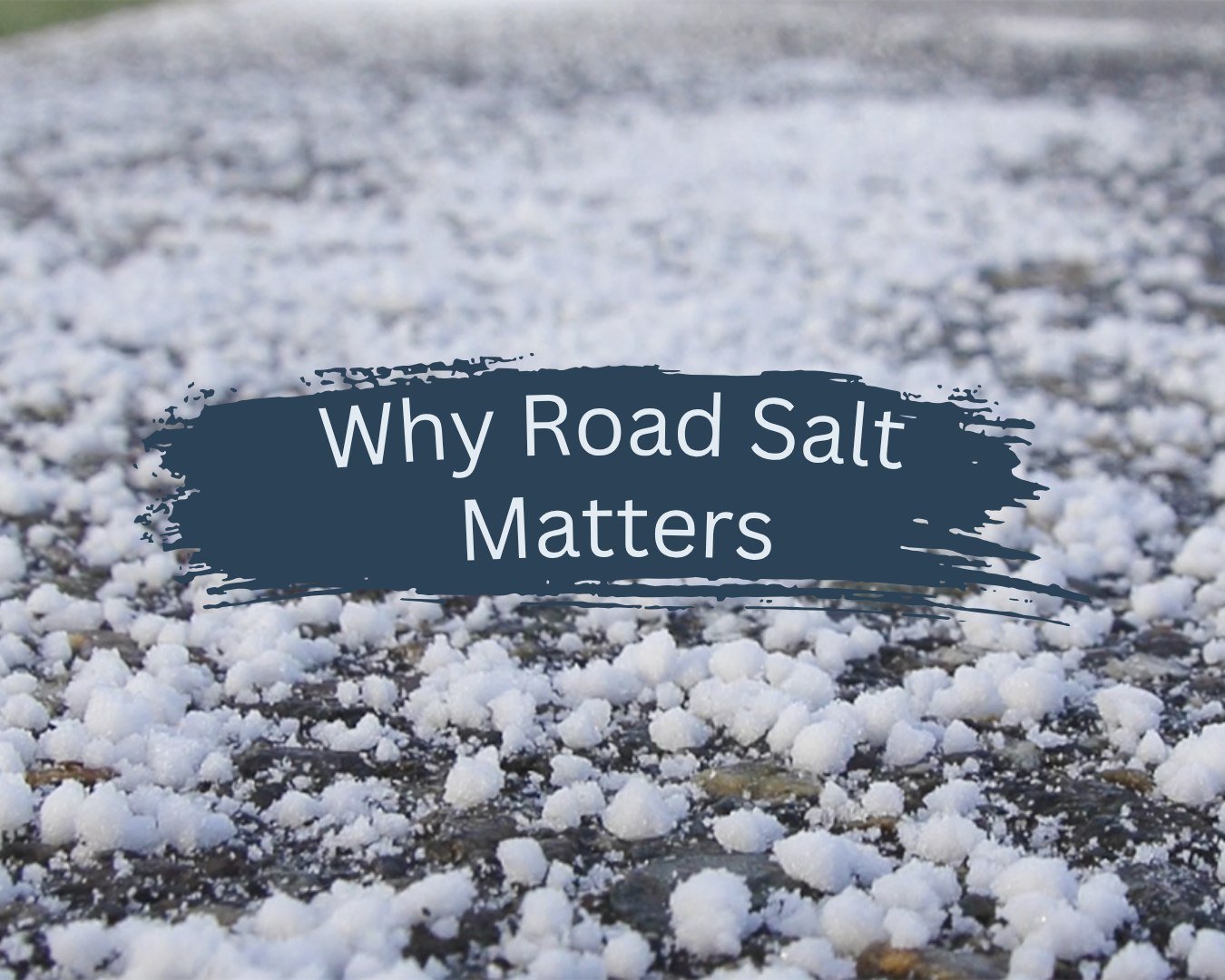
🧂 DID YOU KNOW? The Salt We Use in Winter Can Stay in Our Water for Years.
As temperatures drop, many of us begin preparing for snow and ice. But the salt used on roads, parking lots, and driveways can have lasting effects on freshwater ecosystems.
When snow melts, road salt travels with runoff into storm drains, streams, groundwater, and lakes.
That salt adds chloride to our freshwater—and unlike many pollutants, chloride doesn't simply break down over time.
Excess chloride can affect aquatic organisms and freshwater ecosystems.
Here's how you can help this winter:
❄️ Shovel first to remove as much snow as possible.
🧂 Use the recommended amount of deicer rather than applying extra.
🌡️ Choose a deicer appropriate for the temperature.
🧹 Sweep up unused salt and reuse it when possible.
WWN is committed to understanding and addressing water quality challenges throughout the Lake Winnisquam watershed.
A little less salt can mean a healthier watershed.
#RoadSalt #ChloridePollution #WinterWatershedTips #LakeWinnisquam #WinnisquamWatershedNetwork
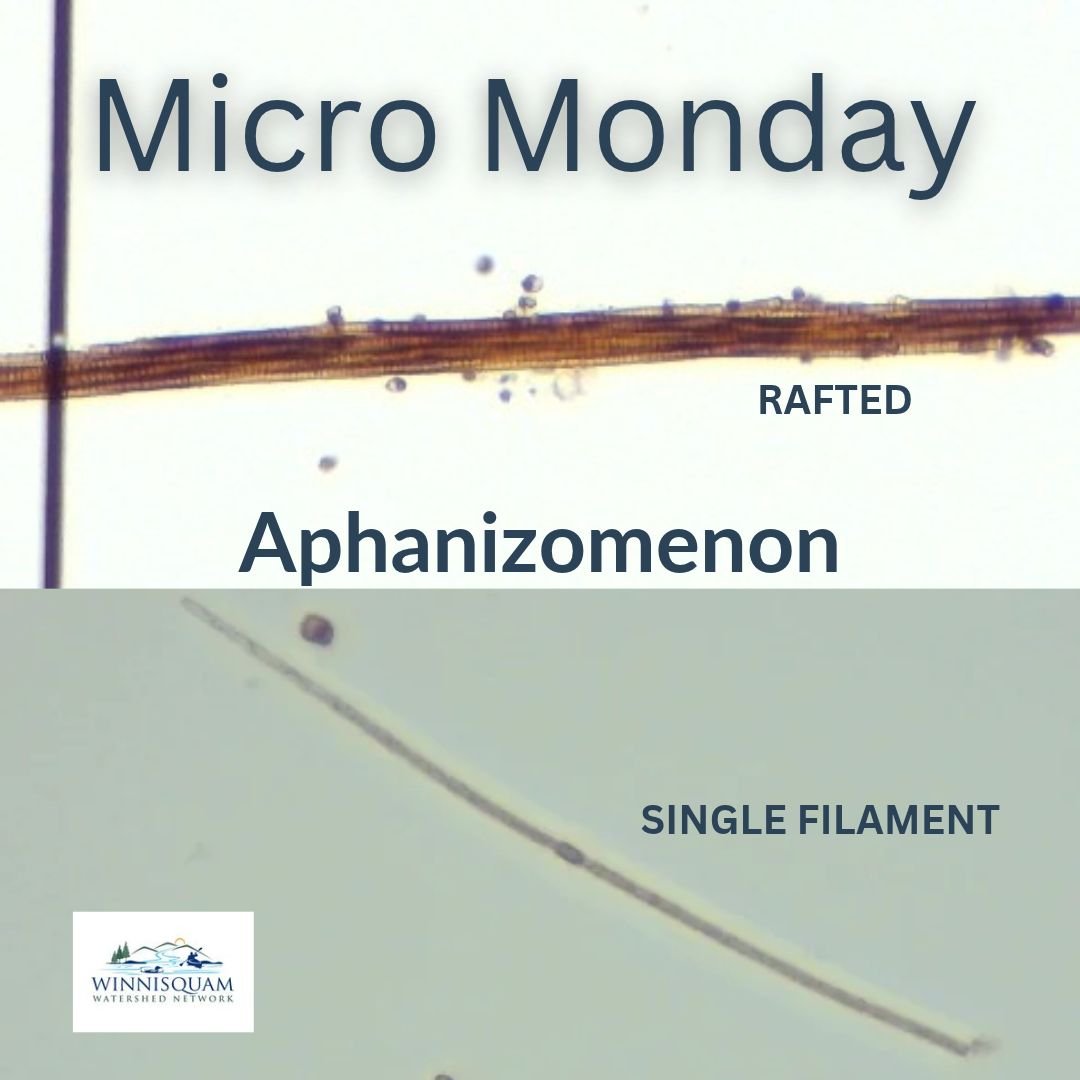
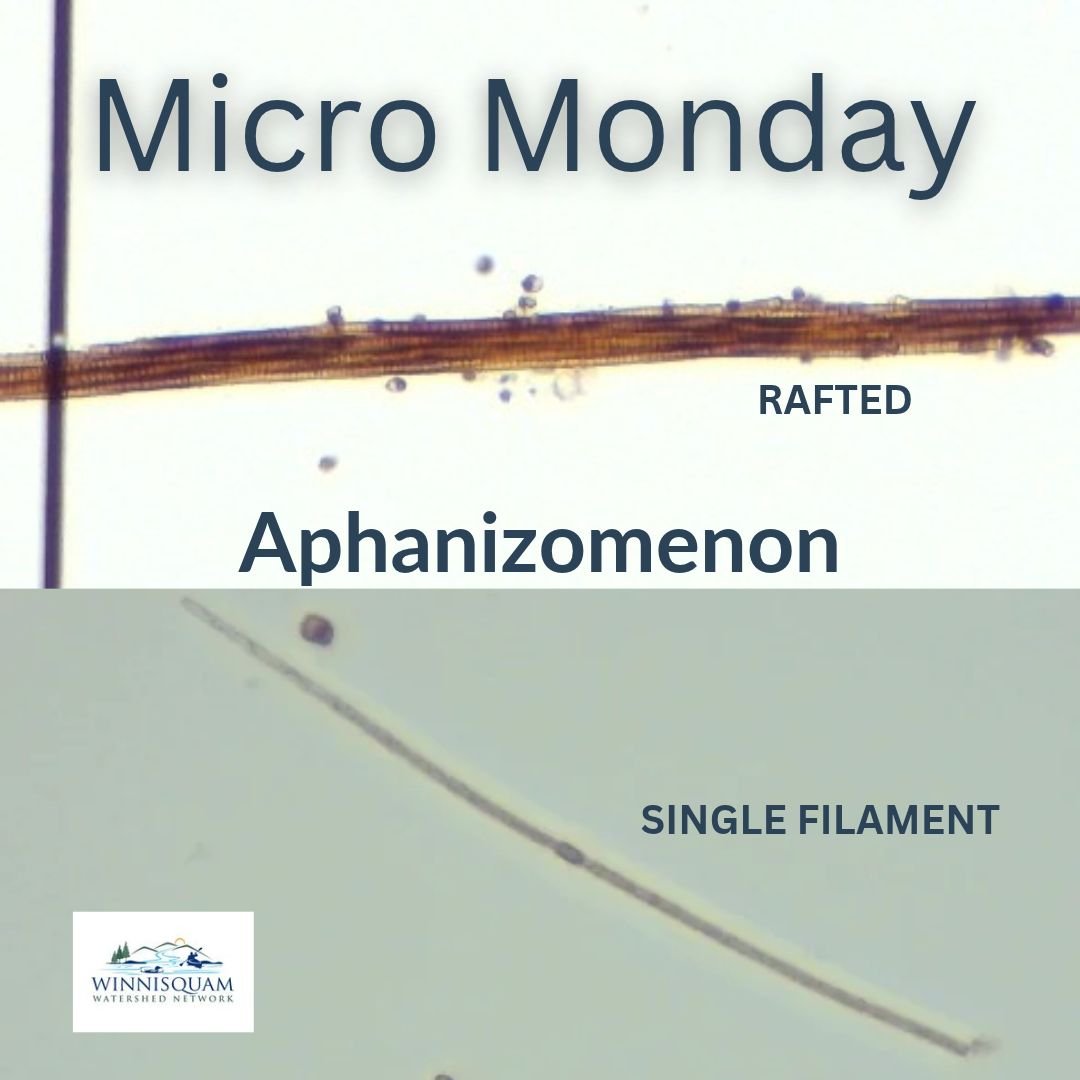
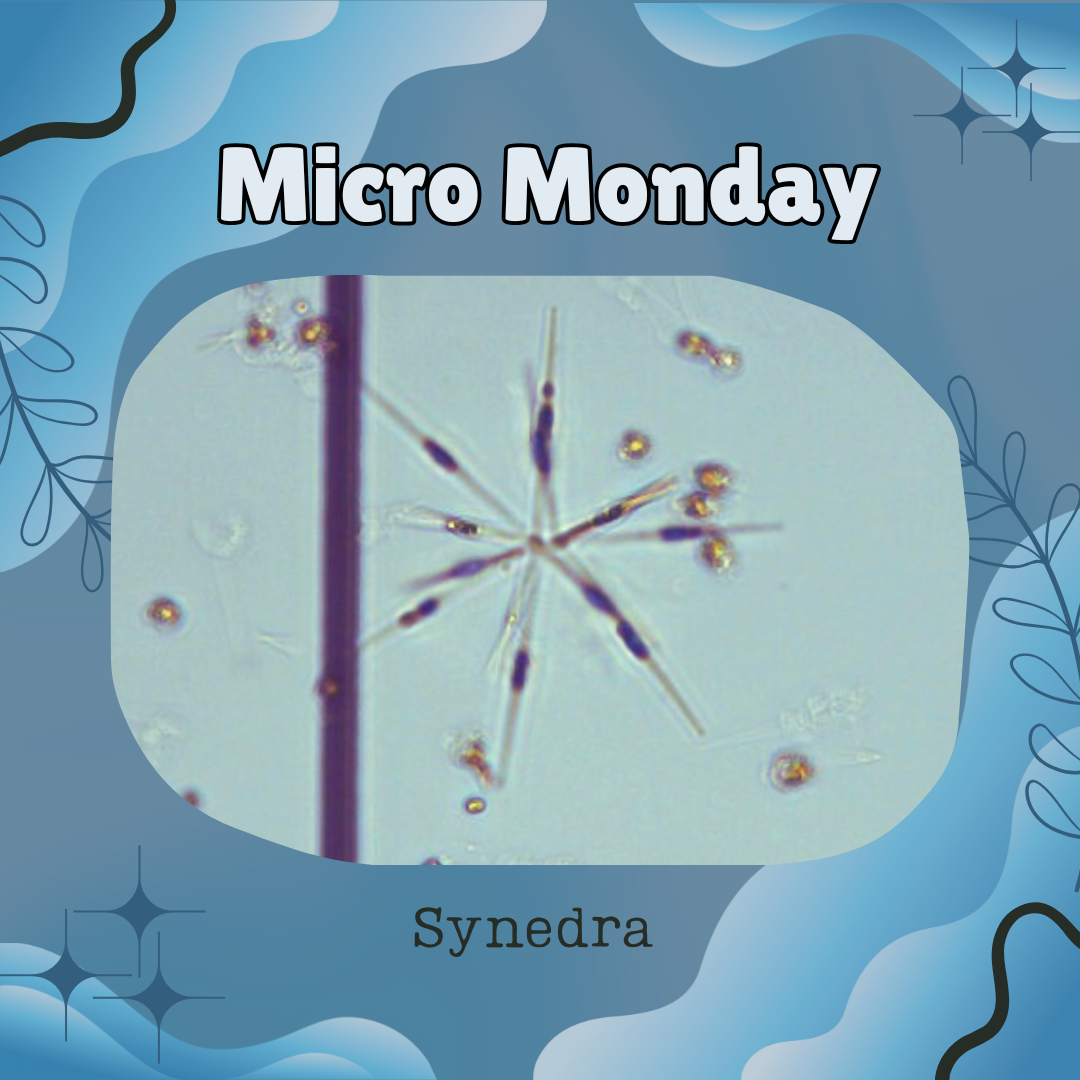
🔬💧 MICRO MONDAY: Meet Aphanizomenon!
Say hello to Aphanizomenon, a genus of cyanobacteria commonly spotted in lakes during the late summer months!
🔬 What does it look like?
Aphanizomenon can appear as individual filaments made up of multiple cells or as clusters of filaments bundled together in raft-like formations.
🌿 What does its presence tell us?
Aphanizomenon can be an indicator of excess nutrients in the water, particularly phosphorus, which can fuel cyanobacteria growth.
💪 What's its superpower?
Aphanizomenon has specialized cells called heterocysts that allow it to convert nitrogen gas from the atmosphere into a usable form of nitrogen through a process called nitrogen fixation.
This gives it a competitive advantage over other algae, especially when usable nitrogen is scarce!
💙 Why does it matter?
Understanding cyanobacteria like Aphanizomenon helps us better understand nutrient dynamics and protect the health of Lake Winnisquam.
Small organisms. BIG impact. That's why we keep a close eye on what's happening beneath the surface! 🔬🌊
#MicroMonday #LakeWinnisquam #Cyanobacteria #WaterQuality #LakeScience #ProtectOurLake #WinnisquamWatershedNetwork
💧 VOLUNTEER SPOTLIGHT: KEN JEWELL 🌊
Water quality monitoring doesn’t stop when the season changes, and neither does Ken! We’re incredibly grateful for Ken, who leads our water quality testing efforts and continues heading out on the lake to collect important data, even now that our weekly water quality updates have wrapped up for the season.
Ken’s dedication goes beyond a seasonal schedule. His commitment to monitoring Lake Winnisquam helps WWN better understand the lake’s health, track changes over time, and make informed decisions about protecting our watershed.
But for Ken, it’s about more than collecting data. It’s about a lifelong connection to the water and a desire to protect it for future generations.
💙 In Ken’s words:
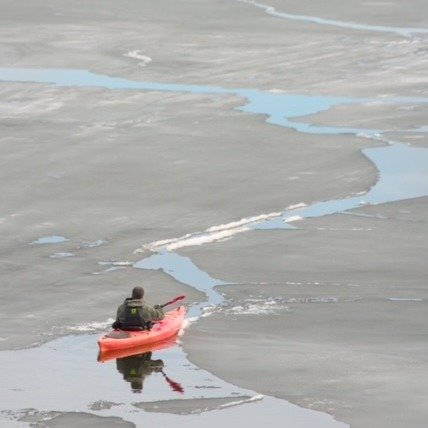
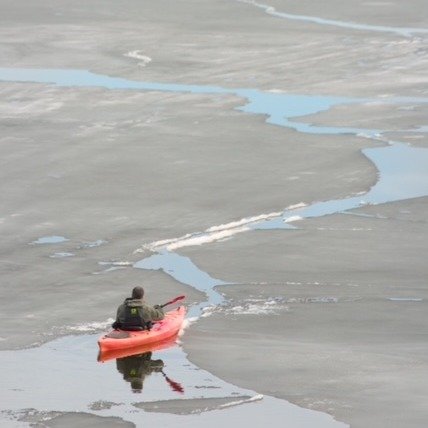
“I love being out on the water, whether it’s sailing, kayaking, or rowing. I try to be out on the water, kayaking amongst the ice flows during ice out all the way up to ice in.
I remember what the water quality was back in the 60s and 70s as a child. It’s important that we act as stewards for the lake, and doing the water quality testing with WWN and doing the weekly temperature profiles is an excellent way of doing that.”
Ken’s firsthand memories of Lake Winnisquam and his continued dedication remind us why watershed stewardship matters. His work helps us understand how our lake changes over time and why protecting its future is so important.
Ken, thank you for your incredible commitment, your time, and your passion for Lake Winnisquam! We’re lucky to have you as part of the WWN community. 🌊💙
#VolunteerSpotlight #WinnisquamWatershedNetwork #LakeWinnisquam #WaterQualityMonitoring #WatershedStewardship
🌊 UNDERSTANDING DISSOLVED OXYGEN: Can Fish Breathe Down There?
Water clarity and temperature are important indicators of lake health, but there's another measurement that tells us a lot about what's happening beneath the surface: dissolved oxygen.
Fish and other aquatic organisms depend on oxygen dissolved in the water to survive.
During summer stratification, deeper lake water can become isolated from the atmosphere and surface mixing. As organisms use oxygen, levels in deeper water can decline.
Fall turnover helps mix the water column, redistributing oxygen throughout the lake.
Our continuous monitoring buoys measure dissolved oxygen at different depths, helping us understand how conditions change over time.
Why does this matter? Low dissolved oxygen can affect aquatic life and influence the cycling of nutrients in lake sediments.
💧 Healthy lakes depend on more than what we see at the surface!
#WaterQualityWednesday #LakeScience #LakeWinnisquam #WinnisquamWatershedNetwork
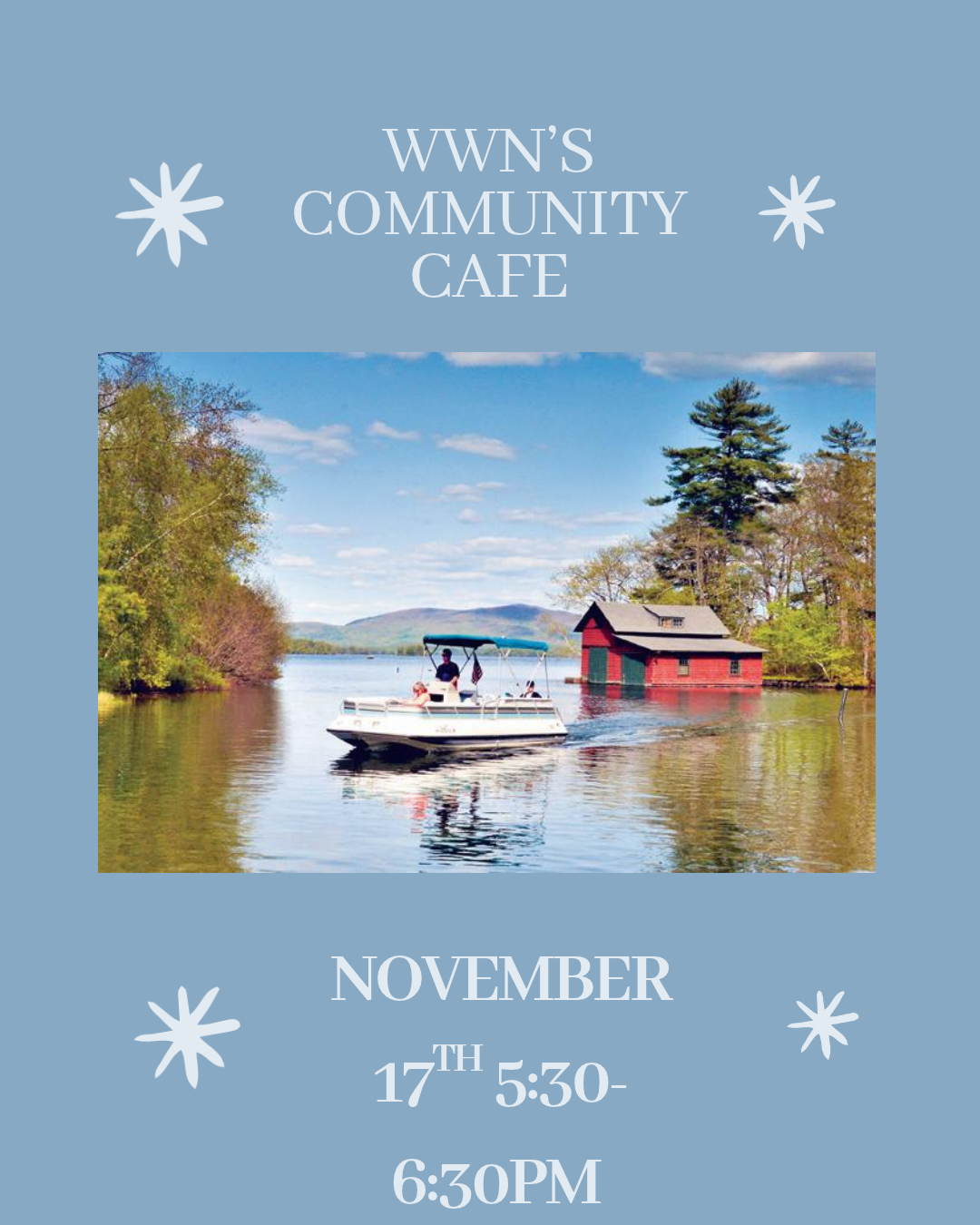
Join Winnisquam Watershed Network for our November Community Cafe, featuring Amy Landers of the Lakes Region Tourism Association of New Hampshire! Amy will lead a discussion about tourism in the Lakes Region, sharing local tourism statistics, emerging trends, and the resources available to support area businesses. Attendees will also learn about the Association’s work in marketing, legislative advocacy, and economic development, and how these efforts help strengthen our local communities and economy.
Representing 100 communities, 237 lakes and ponds, and more than 430 businesses, the Lakes Region Tourism Association plays an important role in promoting our region as a year-round destination. This Community Cafe is a great opportunity to learn more about what draws visitors to the Lakes Region, the impact of tourism on our communities, and the connections between our local economy and the natural beauty that makes this area so special.
We’re excited to see the great interest in this event and are grateful to everyone who has already RSVP’d! If you haven’t had a chance to sign up yet, click the link below to RSVP and let us know you’ll be joining us. We look forward to seeing you there!
https://docs.google.com/forms/d/e/1FAIpQLSewtFufcQ1TLCHoIhI4IvZ_AkOcCzuzaT5cpQAetcgFegpBcw/viewform?usp=sharing&ouid=106847491952927108953
Support the Lake
What's Going On Around The Lake
Newsletter Block
This newsletter signup form needs a storage option. Edit the block and enter a storage location via the Storage tab.